Wordless but not silent: Unlocking the power of wordless picture books
Jennifer D. Honaker, Ryan T. Miller
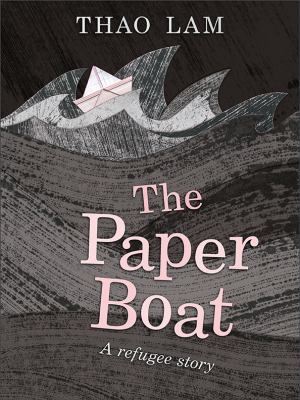 Honaker and Miller propose that wordless picture books are not just beneficial for young children, but can increase literacy, vocabulary, and speaking even for adult MLs. They offer the rationale and methodology for using this resource.
They describe WPB as “visual story telling” which can serve as “sources of information” which can enhance communication.
The authors address the following:
COMMON MISCONCEPTIONS ABOUT WPBS
- They are completely wordless – There may be occasional labels or signs in the images which make those words relevant.
- They are substandard to picture books with words – Some have won literary awards.
- They are not useful once a student can read. – They can be used for discussion and writing about social problems or learning about alternate perspectives.
- They are easy to read. – Interpreting the images requires more contemplation since the information is not given in text form.
- They can be quickly “read” or narrated. – Full comprehension and the details of the narrative may require more time than a text-based story.
UNIQUE ADVANTAGES OF WPBS
- A form of alternative assessment – Students can use various means to demonstrate their understanding of the story and their ability to make inferences.
- Equitable literacy access – WPBs can break down language barriers and by allowing for multiple responses, change the expectation that there is only one right answer.
- Multicultural themes and perspectives – Students can learn about and appreciate other cultures.
- Development of visual literacy – Students are exposed to more visual imagery now than in the past, and these books can enhance their analytical ability.
- Pictures narrate the story – MLs who are beginning to learn the language can comprehend the narrative because the images are the essence of the story and not superfluous visuals.
- Opportunities to connect to home literacies – When taken home, WPBs can allow for parents to use their own language to discuss the stories.
IMPLEMENTATION CONSIDERATIONS
- The role of the teacher – Background information may be necessary as well as the use of open-ended questions.
- Develop opportunities to learn oral literacy skills – Group discussions can encourage participation and build language skills.
- Content integration – Specific books align with standards for language arts, social studies, and science.
- Tools for differentiation – With multiple viewings, tasks can be assigned for different levels of MLs.
- Challenges of implementation – Availability of texts, getting readers to take the time to analyze images, and students’ abilities are problems that must be resolved to use WPBs.
EXAMPLES OF IMPLEMENTATION WITH ENGLISH LEARNERS IN MULTIPLE CONTEXTS
- The authors offer seven examples of how to use these books.
FINAL THOUGHTS
While more research is needed to substantiate the findings here, Honaker and Miller quote one of their sources, “’wordless picture books may be the best platform for introducing many narrative conventions, reading processes, and visual strategies to readers of all ages.’ Hopefully, in time, more teachers can adopt this perspective.”
 “Using virtual art with ELLs transforms language learning into a rich, human experience, using self-expression and global awareness to enhance vocabulary, grammar, and fluency”